
Best Window Shades for Arizona Homes: Pros and Cons
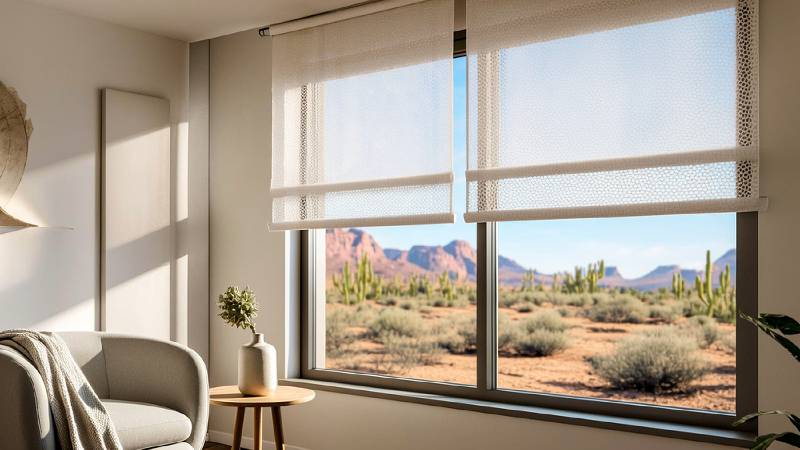
Living in the Grand Canyon State means enjoying breathtaking desert landscapes and an abundance of beautiful sunshine. However, with summer temperatures routinely scaling past 100 degrees, controlling the solar heat entering your home is absolutely essential for both personal comfort and your energy budget. Standard glass window panes do very little to stop radiant heat transfer, meaning your air conditioning unit must work overtime to keep indoor spaces liveable.
Choosing the best window shades for Arizona is one of the most effective and high-yield investments you can make for your property. At Phoenix Tent and Awning Company, we have been crafting custom premium shade products locally for over a century, providing top-tier Arizona window treatments tailored specifically to combat our unforgiving desert climate.
In this comprehensive guide, we will explore the leading internal and external patio shade solutions, window treatments, and high-performance solar shades for homes. We will look closely at their unique advantages and potential drawbacks so you can make an educated choice for your household.
The Ultimate Arizona Defense: Exterior Roll Shades
When it comes to blocking out extreme heat, stopping the sun rays before they ever touch your glass window pane is the gold standard. Exterior roll shades mount neatly on the outside of your window frame or patio structure, creating a highly efficient barrier.
The Pros:
Unmatched Thermal Efficiency: By absorbing and reflecting solar radiation outside your home, premium exterior roll shades can block up to 90% of ambient solar heat from passing through your windows. This can lead to massive monthly utility savings during high-temperature months.
Glare and UV Reduction: These specialized heavy-duty screens eliminate annoying television and computer screen glare while safeguarding your interior wood floors, expensive artwork, and upholstered furniture from fading.
Maintained Desert Views: Unlike heavy drapery or solid shutters, high-quality open-weave fabrics allow you to enjoy your beautiful desert landscaping without feeling completely closed off from the world.
Automation and Convenience: Modern exterior options can be equipped with advanced motorization systems. With a simple remote control, a wall switch, or a smart device application, you can raise or lower your shades automatically.
The Cons:
Exposure to Severe Weather: Because they live outdoors, these shades are vulnerable to Arizona environmental factors like intense monsoon downpours, seasonal dust storms, and heavy winds. To preserve their lifespan, homeowners must remember to retract them during severe wind warnings.
Higher Upfront Investment: Professional exterior installation, heavy-duty weatherproofing materials, and motorized components make these a more expensive initial choice compared to standard indoor window coverings.
Interior Solar Shades for Homes: Sleek and Minimalist
If you prefer to manage the incoming sunlight from the climate-controlled comfort of your living room, specialized interior solar shades for homes are an exceptional alternative. Crafted using advanced technical fabrics woven from vinyl-coated fiberglass or polyester yarns, these shades are engineered specifically for light control and heat rejection.
The Pros:
Preserved Outdoor Views: Interior solar shades are classified by their openness factor, which usually ranges from 1% to 10%. A higher percentage offers a clearer view of your backyard oasis, while a lower percentage offers maximum heat reduction and privacy.
Excellent UV Shielding: Even at a higher openness level, these shades can easily screen out up to 99% of damaging ultraviolet radiation, protecting your family and your indoor valuables.
Modern Aesthetic: Their clean, sleek profile fits beautifully into contemporary architectural designs across the Valley, tucked away discretely inside the window casing when fully retracted.
Low Maintenance Requirements: Shielded completely from outside dirt, dust, and wind, interior shades stay cleaner far longer and only require a simple wipe-down with a damp cloth or a light vacuuming from time to time.
The Cons:
Inferior Heat Rejection: Because they are mounted on the inside of the glass, the sun rays have already penetrated your window pane and entered the room. While interior solar shades manage the resulting glare and ambient radiant heat beautifully, they cannot match the total cooling efficiency of an exterior setup.
Limited Nighttime Privacy: Due to the physical properties of the woven mesh material, when the lights are on inside your house at night, people standing outside will be able to see through the shade. They are best paired with secondary draperies if absolute nighttime privacy is required.
Regional Preferences: What Works Best Across the State?
The demands on your home change slightly depending on your exact location within our desert climate. Let us look at the distinct local factors driving choices in our major communities:
Phoenix Window Shades: Battling the Ultimate Urban Heat Island
The concrete, asphalt, and massive building footprint of the metropolitan area create a pronounced urban heat island effect, meaning nights stay significantly warmer. When looking for Phoenix window shades, residential clients prioritize heavy-duty thermal blockades. Exterior roll shades and traditional window awnings are incredibly popular here because they aggressively reduce cooling loads on hard-working HVAC units.
Scottsdale Window Shades: Balancing Performance and HOA Luxury
In luxury neighborhoods and master-planned communities, design aesthetics are just as critical as utility savings. High-end homeowners hunting for Scottsdale window shades regularly select premium motorized interior solar shades and custom color-matched exterior drop panels. These systems must blend flawlessly with specific Southwestern architectural lines while meeting strict local Homeowners Association guidelines regarding exterior colors and materials.
Tucson Window Shade Options: Managing High Elevation Sun
Tucson sits at a slightly higher elevation, meaning it experiences intense ultraviolet rays along with colder winter desert nights. The ideal Tucson window shade options focus on multi-seasonal flexibility. Dual-sided treatments or retractable exterior zip-track systems are perfect, allowing residents to embrace the natural winter warming sun while locking out the blistering overhead summer heat.
Choosing the Right Shade for Your Lifestyle
Determining the ideal setup involves balancing your interior design style, your property layout, and your budget. Ask yourself these important questions before purchasing:
- Which direction do your windows face? West-facing and east-facing windows bear the brunt of our intense morning and afternoon sun, making them the highest priority locations for heavy-duty exterior coverings. North-facing windows may only require lightweight interior solar shades.
- Is privacy or view preservation your top priority? If you have a beautiful view of the Camelback or Santa Catalina mountains, an open-weave exterior solar fabric lets you preserve that scenery while managing heat.
- What is your budget? If you want maximum efficiency across your entire home but have a set budget, consider installing premium exterior shades on your vulnerable south and west windows, while using cost-effective interior treatments elsewhere.
Frequently Asked Questions (FAQ)
What is the main difference between interior and exterior window shades?
The biggest difference is where they block the sun. Exterior window shades sit outside your home and stop solar heat before it ever hits and warms up your window glass. Interior window shades are installed inside your home, managing incoming glare and UV rays after the light has passed through the glass.
Will installing solar shades make the inside of my home too dark?
No, solar shades are specially engineered to reduce blinding glare and harsh light without plunging your living areas into complete darkness. Depending on the openness factor you choose, they filter natural sunlight into a soft, comfortable glow while preserving your view of the outdoors.
How long do exterior motorized roll shades typically last in Arizona?
When fabricated with premium, commercial-grade materials like Phifer SunTex or high-performance architectural fabrics, the shade cloth will easily last ten to fifteen years under intense desert sun exposure. High-quality internal motors and structural aluminum components are built to last for decades with basic care and seasonal maintenance.
Can solar shades actually help lower my monthly electric bills?
Yes, absolutely. By blocking up to 90% of radiant solar heat from entering your living spaces, exterior shades reduce indoor temperatures substantially. This removes a massive amount of strain from your home air conditioning system, leading to noticeably lower monthly electricity bills during our brutal summer months.
How do I safely clean my exterior window shades after a valley dust storm?
Cleaning them is simple and straightforward. Start by rolling the shades all the way down and gently hosing them off with clean water to remove loose desert dust and debris. For stubborn dirt spots, gently scrub the fabric using a soft-bristled brush along with a mild mixture of water and gentle dish soap, then rinse thoroughly and allow them to air dry completely before rolling them back into their protective cassettes.
Ready to transform your home into a cool, energy-efficient desert sanctuary? Visit our local showroom or call Phoenix Tent and Awning Company today to schedule your complimentary on-site shade consultation!