
Outdoor Shade Solutions for Tempe Businesses
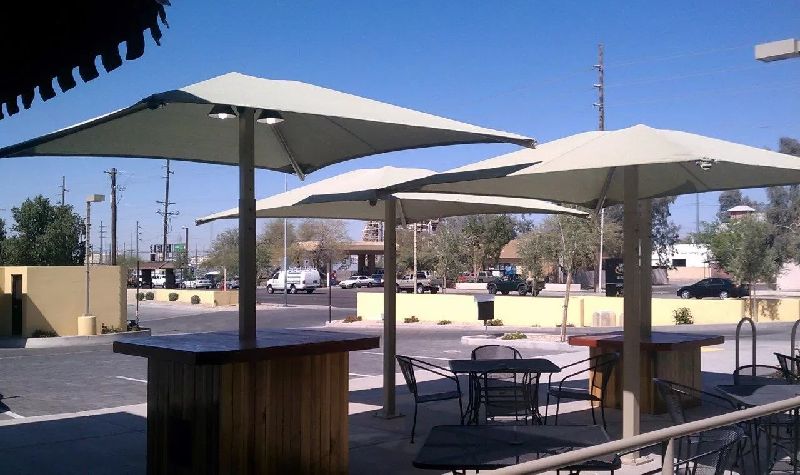
Operating a successful commercial enterprise in Tempe, Arizona, requires adapting to high thermal conditions. From bustling dining spots near Mill Avenue and the Tempe Town Lake waterfront to tech hubs, retail plazas, and car dealerships along the Broadway corridor, local business owners rely heavily on foot traffic. However, with summer temperatures routinely exceeding 100 degrees for months at a time, direct solar radiation rapidly transforms exposed outdoor areas into unusable space.
Installing high-performance shade Tempe property owners can count on converts blazing hot sidewalks and patios into comfortable, functional square footage. Strategic outdoor protection lowers interior energy consumption, shields merchandise from intense ultraviolet radiation, and extends customer dwell time.
Whether you manage a restaurant terrace, an office courtyard, or a retail storefront, implementing targeted commercial shade Tempe infrastructure helps protect your property while building your bottom line.
The Value of Commercial Shade for Tempe Enterprises
Investing in business shade solutions Tempe commercial properties require delivers direct operational and financial advantages.
1. Increased Revenue from Outdoor Seating
For restaurants, breweries, and coffee shops, patio seating represents high-value revenue capacity. Unprotected outdoor dining space sits empty during peak afternoon hours in the spring, summer, and early autumn. Commercial shade structures can drop surface and ambient air temperatures beneath the canopy by 15 to 20 degrees, keeping dining guests comfortable year-round.
2. Reduced Interior HVAC Costs
Unshaded glass storefronts and entry doors transfer solar heat directly into air-conditioned interior spaces. Exterior shade solutions intercept thermal energy before it strikes the building envelope, significantly lightening the workload on commercial HVAC units and trimming monthly power bills.
3. Extended Protection for Furnishings and Merchandise
Arizona sunlight rapidly breaks down outdoor furniture, fades display merchandise, and chalks exterior paint finishes. High-grade commercial fabrics block up to 98% of harmful UV rays, protecting outdoor seating, flooring, and interior window displays from premature wear.
4. Elevated Architectural Style and Visibility
Custom exterior shade installations act as dynamic visual anchors for your building facade. Matching frame profiles and vibrant fabric colors to your corporate brand identity increases curb appeal and makes your business recognizable to passing pedestrians and drivers.
High-Performance Commercial Shade Options
Different commercial real estate layouts require specific structural designs. Exploring top outdoor shade Tempe systems helps you select the best match for your building structure and customer flow.
1. Fixed Fabric Storefront Awnings
Fixed frame awnings provide permanent, year-round sun protection for retail windows, main building entryways, and pedestrian walkways. Constructed with rust-resistant aluminum or structural steel frames and commercial-grade acrylic fabrics like Sunbrella, these units handle high winds, resist fading, and require minimal maintenance. They also offer space for custom printed business logos and street address lettering.
2. Motorized Retractable Awnings
Retractable systems deliver operational flexibility for multi-use hospitality patios. Pushing a button extends heavy-duty fabric covers during blazing afternoon hours and retracts the frame during cool winter evenings or high-wind conditions. Modern commercial units feature automated wind sensors that automatically close the awning if unexpected monsoon gusts occur.
3. High-Tension Shade Sails
Shade sails provide a modern architectural look popular across corporate campuses, university spaces, and resort pools. Engineered using breathable, high-density polyethylene (HDPE) mesh fabric, shade sails allow trapped hot air to escape upward while creating deep shade below. Their flexible anchor points cover wide, irregular spaces where traditional post supports might impede traffic flow.
4. Custom Cabanas and Poolside Canopies
Resorts, hotel pools, and multi-family residential complexes rely on custom cabanas to offer private, high-end outdoor spaces. Cabanas create exclusive VIP lounge areas that can generate extra rental income while elevating the resort aesthetic of your property.
5. Heavy-Duty Metal and Architectural Louvers
For properties requiring maximum weather defense or a sleek modern aesthetic, standing-seam aluminum or metal louvers offer exceptional long-term strength. Metal shade assemblies withstand extreme storm conditions effortlessly and perform for decades without fabric replacement.
Comparing Commercial Shade Solutions
| System Type | Primary Application | Thermal Defense | Wind Resistance | Customization Options |
| Fixed Fabric Awnings | Retail Storefronts, Building Entrances | High | High | High (Logos, Graphics, Colors) |
| Retractable Awnings | Dining Patios, Flexible Event Spaces | High | Medium-High | High (Motors, Sensors, Fabrics) |
| Tension Shade Sails | Corporate Plazas, Courtyards, Pools | Exceptional (Airflow) | High | High (3D Shapes, Array Styles) |
| Commercial Cabanas | Pool Decks, VIP Hospitality Lounges | High | High | Very High (Drapes, Side Panels) |
| Architectural Metal | Modern Office Complexes, Load Docks | Exceptional | Extreme | Medium (Frame Profiles, Finishes) |
Planning and Permitting Commercial Shade Structures Tempe Property Owners Need
Installing commercial shade structures Tempe businesses require involves navigating municipal zoning standards, historic preservation rules, and commercial HOA codes.
- Signage and Branding Rules: Applying business names, logos, or promotional graphics to awning valances must comply with Tempe municipal sign codes. Graphics often count toward total allowable street-facing signage allowances.
- Building Permits and Wind Loads: Permanent structural supports, deep cantilevered frames, and large shade sail posts require city building permits and structural engineering plans verified for high wind loads.
- Pedestrian Clearances: Overhead shade extended over public sidewalks or pedestrian pathways must maintain minimum vertical height clearance standards under local building codes.
Working with an experienced local contractor ensures structural engineering, material choices, and permit submittals meet all city requirements smoothly.
Why Choose Phoenix Tent and Awning Company?
Since 1910, Phoenix Tent and Awning Company has provided businesses across Tempe and the Valley with durable, custom-engineered shade solutions built for desert conditions. As Arizona’s oldest licensed shade contractor, we handle every stage of your project in-house, from initial site measurement and custom frame fabrication to precision fabric sewing and professional mounting.
Our commercial textiles and structural hardware resist fading, corrosion, and high heat breakdown. From simple retail storefront entry covers to massive hospitality patio systems, our team delivers reliable shade built to last.
Frequently Asked Questions
What fabric material is best for commercial shade in Tempe?
Solution-dyed acrylic fabrics like Sunbrella and heavy-duty high-density polyethylene (HDPE) mesh perform best in Tempe. Solution-dyed acrylics provide complete water resistance and vibrant color retention, while HDPE mesh excels at tensioned shade sail installations by allowing rising heat to vent through the weave.
Do commercial awnings in Tempe require city permits?
Most permanent commercial shade installations, shade sails, and building-attached frame awnings require city building permits and structural engineering documentation to verify wind load compliance. Phoenix Tent and Awning Company assists with engineering and permit coordination to ensure full compliance.
Can custom awnings feature our business branding and logos?
Yes, fixed commercial fabric awnings offer an ideal surface for custom screen-printed or heat-applied business logos, street addresses, and brand lettering. We customize fabric colors and graphic layouts to match your corporate branding.
How do motorized retractable awnings handle summer monsoon storms?
Commercial motorized retractable awnings can be equipped with wireless wind sensors. When sudden monsoon gusts or high winds occur, the sensor automatically signals the motor to retract the canopy, protecting the frame and fabric from wind damage.
What is the typical lifespan of a commercial fabric shade structure?
With basic care and routine cleaning, commercial-grade acrylic fabrics last between 8 and 12 years under intense Arizona sun exposure. Structural steel or aluminum frames typically last 20 to 30 years or more with periodic fabric recovers.