
Awning Installation: Process, Timeline and Cost (What to Expect)
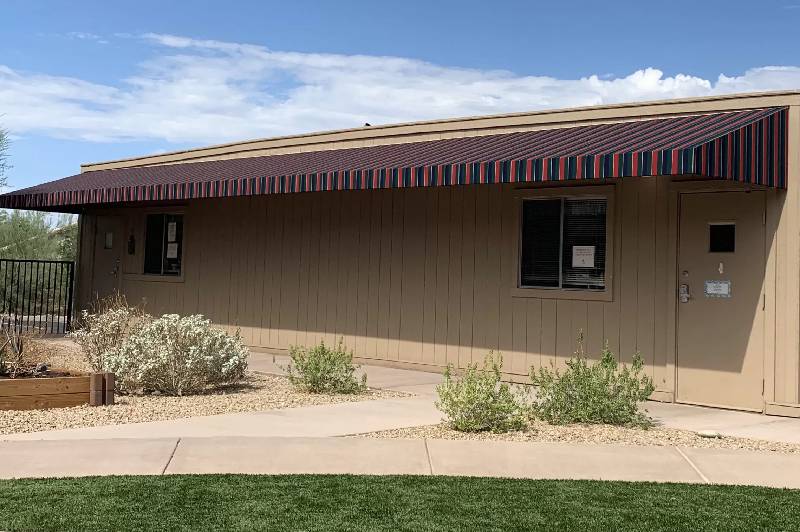
Adding custom outdoor shade to your home or business is one of the most effective ways to lower indoor temperatures, lower energy bills, and create comfortable outdoor living areas. However, buying a high-quality shade structure is only half the equation. Proper awning installation is essential to ensure your shade investment withstands intense desert sun, sudden monsoon winds, and years of regular use.
If you are currently searching online for reliable awning installers near me, understanding how the design, manufacturing, and installation process works helps you plan your project with confidence.
At Phoenix Tent and Awning Company, we have provided expert shade design, custom local manufacturing, and professional installation across the Phoenix metropolitan area since 1910. This guide walks you through every step of purchasing an awning with installation, including realistic project timelines, detailed cost factors, and what to expect during installation day.
The Step-by-Step Awning Installation Process
Working with experienced awning installation companies ensures your project moves smoothly from initial concept to completed installation. Professional contractors follow a structured, multi-step process to guarantee structural safety and flawless visual appeal.
Step 1: Initial On-Site Consultation and Measurement
Every successful shade project starts with a detailed property evaluation. A shade specialist visits your home or commercial site to:
- Evaluate the physical space and specific shading goals.
- Take precise laser measurements of mounting walls, roof overhangs, or ground footings.
- Inspect structural mounting surfaces, such as exterior stucco, brick, wood framing, or concrete block walls.
- Review fabric swatches, frame finishes, and motorization options to match your architecture.
Step 2: Custom Design and Engineering Review
Unlike mass-market store kits, custom shading structures are engineered for your specific building layout. During this phase, design experts create tailored production drawings. If your project involves heavy commercial frames, large freestanding cabanas, or specific municipal building codes, structural engineering calculations are completed to ensure wind load resistance.
Step 3: Permitting and HOA Approvals (If Required)
If your residential property belongs to a Homeowners Association (HOA), you will submit design specs and fabric swatches for architectural board review. For large commercial canopies or structural post footings, the installation team submits engineering plans to local municipal building departments for necessary permits.
Step 4: Custom Local Fabrication
Once design plans and approvals are secured, custom manufacturing begins. Skilled craftspeople build heavy-duty metal frames using aluminum or steel, apply powder-coated rust-resistant finishes, and cut, sew, and heat-seal commercial-grade outdoor fabrics like Sunbrella.
Step 5: On-Site Professional Installation
On installation day, trained installers arrive with your completed shade system and specialized mounting hardware. The team securely mounts structural brackets into internal wall studs or roof rafters, mounts the frame, attaches and tensions the fabric, and configures motorization and wind sensors where applicable.
Project Timeline: How Long Does the Process Take?
Understanding project milestones prevents surprises and helps you plan around outdoor events or commercial grand openings.
| Project Stage | Estimated Timeframe | Key Activity |
| Initial Consultation & Quote | 1 to 3 Business Days | On-site measurement and product selection |
| HOA or Permit Approval | 1 to 3 Weeks | Architectural committee or city permit review |
| Custom Manufacturing | 2 to 4 Weeks | Frame welding, powder coating, and fabric tailoring |
| On-Site Installation Day | 2 to 6 Hours | Physical mounting, motor calibration, and job site cleanup |
While the total end-to-end timeline generally spans 3 to 6 weeks depending on HOA schedules and seasonal demand, the physical installation on site usually takes less than a single day for most residential properties.
Cost Factors for Awning Installation in Arizona
The total cost of purchasing a custom shade system with professional installation varies based on structural dimensions, material quality, site accessibility, and motor features.
Average Installed Cost Ranges
- Fixed Window or Door Awnings: $450 to $1,200 per unit
- Manual Retractable Awnings: $1,800 to $3,800 total installed
- Motorized Retractable Awnings: $2,800 to $6,500+ total installed
- Tensioned Shade Sails & Canopies: $2,500 to $7,000+ total installed
- Commercial Patio Canopies & Carports: $5,000 to $20,000+ total installed
What Drives Installation Costs?
- Mounting Surface Complexity: Securing heavy structural brackets onto wood framing is straightforward, whereas mounting onto solid brick, open roof rafters, or complex tile roof overhangs requires specialized brackets and extra labor.
- Electrical Integration: Motorized units require dedicated power connections. Plug-in models keep labor costs low, while hardwired smart units connected to home automation systems may require licensed electrical wiring.
- Ground Footings: Freestanding shade sails and steel cabana posts require deep concrete footings poured into the ground, adding excavation and masonry labor.
- Height and Accessibility: Multi-story commercial installations or second-story residential balconies requiring scaffolding or boom lifts involve additional equipment setup costs.
DIY vs. Professional Installation
While purchasing a cheap shade kit online may seem cost-effective initially, self-installation carries significant risks:
- Structural Failure: Inadequate mounting into stucco or drywall without hitting solid timber studs can result in the shade tearing away from the wall during strong winds.
- Water Intrusion: Improperly sealed masonry anchors or lag bolts allow rainwater to leak into exterior walls, leading to unseen rot and mold.
- Voided Warranties: Many high-end fabric and motor manufacturers void product warranties if the system is not installed by licensed professionals.
Hiring certified professional installers ensures your system remains structurally sound, visually level, and fully covered under warranty protection.
Preparing Your Property for Installation Day
To ensure installation day runs smoothly, property owners can complete a few simple preparation steps:
- Clear the Installation Area: Move patio furniture, outdoor grills, plant pots, and decorations away from the wall or lawn area where installers will work.
- Provide Clear Access: Ensure side gates are unlocked and pathways are clear for crew members to transport long frames and equipment safely.
- Secure Pets: Keep dogs and indoor pets safely inside while installation crews carry heavy tools and hardware back and forth.
Frequently Asked Questions
How long does the physical awning installation take on site?
For standard residential retractable units or window covers, physical installation on site typically takes between two to four hours. Larger commercial canopies or multi-post structures requiring concrete footings may take one to two days.
Do I need to be home during the installation?
It is best for the homeowner or property manager to be present at the start of installation to review placement details with the lead installer and at the end of the job to learn how to operate and care for the system.
What happens if my home has a stucco exterior?
Stucco is a common exterior finish across Arizona, but it is not a structural load-bearing material. Professional installers use extended lag bolts and mounting brackets to bypass the stucco layer and anchor directly into the solid timber studs or structural headers behind it.
Can awnings be installed directly onto roof lines?
Yes. If wall height is insufficient or soffits are blocked, specialized roof mounting brackets allow shade systems to attach securely to roof rafters, providing proper pitch, drainage, and overhead clearance.
Are professional installation services covered by a warranty?
Yes. Reputable shading contractors provide written warranties covering both the physical product (fabric and frames) and installation workmanship, giving you long-term peace of mind.
Choose Phoenix Tent and Awning Company for Professional Installation
When you invest in custom shading, expert installation is critical to long-term performance and safety. Phoenix Tent and Awning Company provides full-service design, local Arizona manufacturing, and expert installation tailored to your exact property requirements.
Contact Phoenix Tent and Awning Company today to schedule your on-site consultation and receive a detailed quote for your project.