
Best Outdoor Fabrics for Awnings, Canopies, and Shade Structures
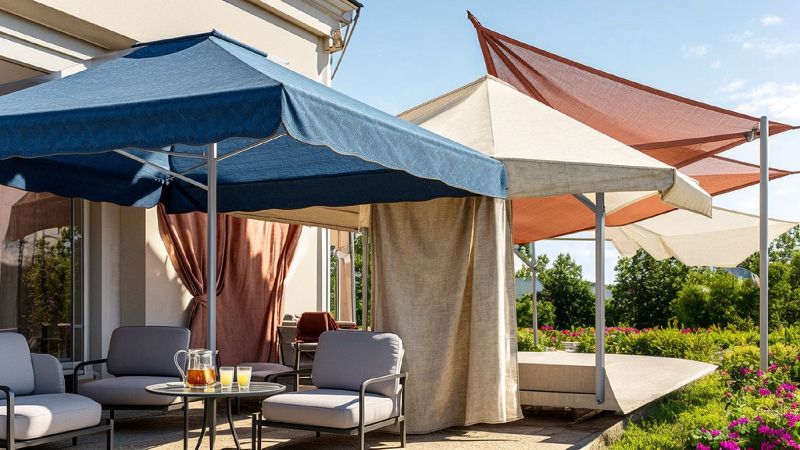
Selecting the best outdoor fabrics for awnings, canopies, and shade sails is the most important decision you will make when investing in outdoor shade. Arizona receives more than 300 sunny days every year, alongside summer monsoons, high winds, and soaring temperatures. The materials covering your home or business must handle intense UV rays without fading, sagging, or tearing.
At Phoenix Tent and Awning Company, we have crafted custom shade products for residential and commercial spaces across the Southwest since 1910. Understanding how different technical textiles perform under extreme thermal stress helps property owners choose the ideal covering for long-term comfort, energy efficiency, and durability.
Why Fabric Selection Matters in the Desert Climate
The Sonoran Desert creates tough testing conditions for exterior textiles. Standard outdoor canvas and cheap woven materials rapidly degrade when exposed to harsh sunlight, intense ambient heat, and sudden summer rainstorms.
When searching for high-performance Phoenix outdoor fabrics, you must evaluate three core performance metrics:
- UV Resistance and Colorfastness: Sun exposure breaks down chemical bonds in lower-grade dyes and synthetic fibers. Premium materials use specialized pigmentation methods to prevent color loss and structural cracking.
- Thermal Performance and Airflow: Materials with open weaves let hot air escape upward, lowering temperatures underneath by up to 20 degrees. Solid waterproof fabrics provide absolute rain shelter but hold more ambient heat unless properly ventilated.
- Tensile Strength and Tear Resistance: High winds require strong structural materials that resist stretching or tearing at seams and grommets under heavy loads.
Top Types of Outdoor Fabrics for Awnings and Canopies
Different applications require specialized material compositions. Below is a breakdown of the leading textile options engineered for long-term outdoor performance.
1. Solution-Dyed Acrylic Fabrics
Solution-dyed acrylic is widely recognized as the top choice for residential patio covers, window awnings, and decorative canopies. Brands like Sunbrella and Dickson lead this category.
Unlike traditional fabrics where yarn is woven first and dyed later, solution-dyed acrylic adds color pigments while the acrylic polymers are still in a liquid state. The color runs through the entire core of every individual fiber rather than sitting on the surface.
- Key Benefits: High resistance to fading, breathable weave that prevents hot air buildup, mildew resistance, and rich color availability.
- Best Used For: Residential window awnings, retractable patio covers, fixed patio valances, and decorative store canopies.
- Regional Popularity: Homeowners looking for high-end Tucson awning fabrics often choose solution-dyed acrylic for its blend of traditional canvas texture and long-term color retention.
2. High-Density Polyethylene (HDPE) Shade Mesh
HDPE shade cloth is a heavy-duty knitted synthetic mesh designed specifically for tension structures, shade sails, and patio panels. Commercial products like Synthesis Commercial 95 are engineered to block up to 98% of harmful UV radiation while letting air pass freely through the material.
Because the knitted structure allows breezes to circulate, HDPE mesh prevents the wind-sail effect that damages solid covers during summer monsoons.
- Key Benefits: Superior breathability, high wind tolerance, excellent tear strength, and zero water retention.
- Best Used For: Architectural shade sails, playground covers, parking structures, and large residential shade frameworks.
- Regional Popularity: Perfect for modern Scottsdale shade solutions and large-scale Mesa outdoor shade structures where maximum cooling airflow is required over open patios or pool decks.
3. Vinyl-Coated and Laminated Polyesters
For applications demanding complete waterproofing and high structural durability, vinyl-coated polyester composites are the standard choice. Materials such as Serge Ferrari and FIRESIST incorporate a strong internal core of woven polyester coated on both sides with smooth, durable polyvinyl chloride (PVC).
These materials offer a smooth surface that resists dirt accumulation, washes clean with mild soapy water, and accepts screen-printed graphics or heat-sealed vinyl lettering.
- Key Benefits: 100% waterproof protection, high dimensional stability (no stretching or sagging), flame-retardant ratings, and high stain resistance.
- Best Used For: Fixed commercial entrance canopies, restaurant patio enclosures, walkways, and heavy-duty industrial covers.
- Regional Popularity: These materials are essential for Tempe commercial awnings along storefronts and dining districts where flame ratings and prominent logo branding are required by municipal codes.
Outdoor Fabric Comparison Chart
| Fabric Type | Material Composition | Waterproof Rating | UV & Fade Resistance | Breathability | Typical Lifespan |
| Solution-Dyed Acrylic | 100% Solution-Dyed Acrylic Fiber | Water-Resistant | Exceptional (10+ Years) | High | 8 to 12 Years |
| HDPE Shade Mesh | Knitted High-Density Polyethylene | Water-Permeable | Excellent (8-10 Years) | Very High | 8 to 12 Years |
| Vinyl-Coated Polyester | Polyester Core with PVC Coating | 100% Waterproof | High (5-8 Years) | Low | 7 to 10 Years |
| Standard Polyester/Cotton | Blended Woven Natural/Synthetic | Low | Low (1-2 Years) | Moderate | 1 to 3 Years |
Key Benefits of Upgrading Your Outdoor Coverings
Investing in professional-grade Arizona outdoor shade solutions delivers distinct advantages for property owners:
Lower Air Conditioning Costs
Exterior window awnings reduce solar heat gain by up to 77% on west-facing glass exposures. Stopping direct solar radiation before it strikes the window glass lowers indoor room temperatures and eases the burden on your cooling system.
Expanded Outdoor Living Space
Shade structures convert sunny, unused stone patios and concrete decks into comfortable outdoor living zones. By filtering harsh rays, you make outdoor dining and hosting enjoyable throughout the spring, summer, and fall.
Protection for Outdoor Furniture and Flooring
Unfiltered desert sunlight quickly fades outdoor cushions, cracks wood furniture, and warps composite decking. A durable fabric canopy acts as a protective shield for your entire outdoor space.
Fabric Care and Maintenance Guide
Even the most resilient synthetic textiles require basic care to maximize their service life in dusty environments. Follow these maintenance guidelines to keep your investment looking fresh:
- Regular Dusting: Rinse off accumulated dust and organic debris with a gentle garden hose once every month. Preventing dust buildup stops dirt from embedding into the weave.
- Mild Cleaning: Wash fabrics every six months using a soft-bristle brush, lukewarm water, and a mild soap like Dawn dish detergent. Avoid harsh chemical solvents or bleach unless recommended by the manufacturer.
- Air Dry Only: Always allow full air drying after washing or heavy rain before retracting or folding flexible awnings. Trapping moisture inside rolled retractable units can encourage surface mold on trapped dirt.
- Monsoon Preparation: Retract automated or manual roll-up awnings during high-wind weather alerts to protect structural arms and fabric seams from excessive stress.
Frequently Asked Questions (FAQ)
What is the longest-lasting fabric for outdoor awnings?
Solution-dyed acrylics and commercial-grade knitted HDPE mesh offer the longest functional lifespan in dry, high-UV regions. Both materials resist UV degradation, fading, and rot, typically lasting 8 to 12 years with proper routine cleaning and structural maintenance.
Is waterproof fabric always better than breathable fabric for patio awnings?
Not necessarily. While waterproof vinyl fabrics are necessary for rain protection and commercial entrances, they do not allow trapped heat to vent upward. Breathable materials like solution-dyed acrylic or HDPE shade mesh let hot air escape through the weave, keeping the area below cooler during hot summer days.
How does fabric color affect heat and light underneath an awning?
Darker fabric colors absorb more radiant heat but provide superior glare reduction and clearer visibility beneath the canopy. Lighter fabric colors reflect more solar energy, keeping the immediate space slightly cooler, but they show windblown desert dust and rain spots more quickly than medium or dark tones.
What fabric works best for commercial storefront awnings?
Vinyl-coated and flame-retardant laminated polyesters are ideal for commercial storefronts. They provide a flat, smooth surface for applied graphics and business signage, offer complete rain protection for customers, and satisfy local municipal fire codes.
Can custom awning fabrics withstand Arizona monsoon winds?
Yes, provided the proper material and structure are selected. Knitted HDPE mesh is ideal for high-wind areas because its porous design permits heavy wind loads to pass through without tearing. For solid fabric awnings, retractable mechanisms should be safely stowed before major dust storms arrive.
Choose Phoenix Tent and Awning Company for Your Shade Project
Selecting the ideal combination of materials, frames, and mounting hardware requires experienced craftsmanship. Phoenix Tent and Awning Company designs, manufactures, and installs top-tier outdoor shade products tailored specifically to withstand extreme desert exposure. Contact our team today to discuss your residential or commercial project and explore our full line of premium shade textiles.