
Shade Canopies in Mesa and Glendale: Custom Commercial and Residential Options
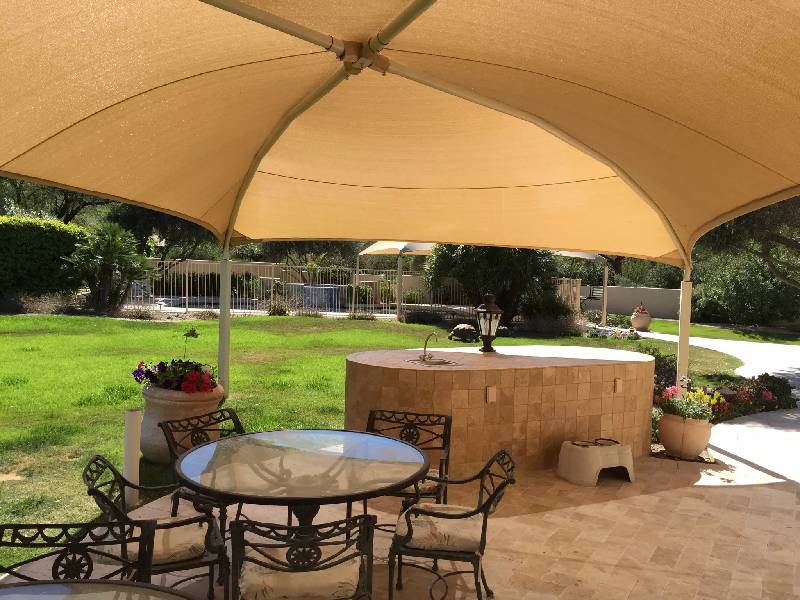
Living and doing business in the Phoenix metropolitan area means enjoying abundant sunshine throughout the year. However, summer heat across Mesa and Glendale frequently exceeds 100°F for weeks at a time. Unprotected outdoor spaces rapidly become unusable, and direct solar exposure can cause severe heat gain on buildings, concrete decks, and parking areas.
Installing dedicated overhead shade structures transforms hot, underutilized spaces into comfortable, functional areas. Whether you are searching for a high-quality sun canopy near me for a residential backyard or outfitting a large commercial property, choosing the right shading system is essential.
At Phoenix Tent and Awning Company, we have designed, manufactured, and installed reliable shading systems across the East and West Valley since 1910. This guide breaks down the custom options, functional benefits, costs, and local installation standards for properties in Mesa and Glendale.
Why Mesa and Glendale Properties Need Overhead Shade
Both Mesa and Glendale feature expansive residential neighborhoods, vibrant commercial centers, and outdoor recreational spaces. With over 300 sunny days annually, unshaded outdoor areas face several challenges:
- Extreme Surface Heat: Uncovered concrete, pavers, and asphalt absorb massive amounts of thermal energy, raising surrounding air temperatures significantly.
- High Energy Expenses: Direct sunlight hitting windows, glass doors, and exterior walls forces air conditioning units to work significantly harder during peak summer months.
- Accelerated Material Degradation: Intense UV radiation fades outdoor seating, damages wooden decking, cracks vehicle upholstery, and degrades plastic playground equipment.
Installing durable custom shade canopies creates a protective barrier that reduces surface temperatures by up to 30 degrees while adding valuable functional space to any home or business.
Residential Applications for Shade Canopies in Mesa and Glendale
Homeowners in the East and West Valley rely on outdoor shade to extend their living space and make backyards enjoyable throughout the summer months.
Backyard Patio and Lounge Coverage
Attached or freestanding canvas structures provide deep overhead shade over dining areas, outdoor kitchens, and seating sets. High-density fabrics block harmful UV rays while letting fresh air circulate, keeping family members and guests cool.
Pool Deck and Play Area Protection
Tensioned shade sails and multi-post frame structures work exceptionally well around swimming pools, spas, and children’s play sets. Property owners looking for high-grade shade canopies Mesa residents install often place structures directly over pool margins or lawn areas where traditional trees take years to grow.
Carports and Driveway Cover
Uncovered vehicles parked in driveways suffer quick UV damage to interior leather, dashboards, and exterior paint. Custom overhead carports provide heavy-duty relief for cars, trucks, RVs, and boats parked outside.
Commercial Uses for Shade Canopies Across the Valley
For business owners, school administrators, and municipal managers, investing in overhead shade provides functional utility, improves customer comfort, and protects capital investments.
Restaurant Patios and Hospitality Spaces
Commercial dining patios in downtown Glendale or suburban Mesa shopping plazas require continuous shade to maximize seating capacity during lunch and afternoon hours. Custom outdoor structures create inviting dining atmospheres that drive direct revenue.
Commercial Parking and Auto Dealerships
Covered parking structures protect fleet vehicles, employee cars, and customer parking areas from extreme heat and hail during monsoon season. Business owners seeking durable shade canopies Glendale commercial properties use often select structural steel frame designs with commercial-grade shade fabric.
Schools, Daycares, and Municipal Parks
Shading play equipment, bleachers, and outdoor gathering spaces is a critical safety measure across Valley schools and public parks. Overhead fabric panels prevent metal slides and rubber playground surfaces from reaching dangerous temperatures.
Types of Custom Shade Structures Available
Selecting the right design depends on site layout, structural attachment points, total coverage size, and visual style preferences.
1. Fixed Frame Canopies
Constructed using rigid steel or aluminum tubing wrapped in commercial outdoor fabric, fixed frame structures provide permanent, year-round sun coverage. These systems are ideal for rectangular patios, walkways, and entrance structures.
2. Tensioned Fabric Shade Sails
Shade sails use heavy-duty knit fabric stretched tightly between anchored steel posts or structural building connections. Available in various geometric shapes, sails provide a sleek, architectural look suitable for modern residential yards and public parks.
3. Freestanding Cabanas and Structures
Four-post structural frame designs create defined outdoor rooms in backyards, community centers, or hotel pools. Optional side curtains, mesh drop screens, or louvers offer customizable shade control throughout the day.
Cost Factors for Custom Canopies in Mesa and Glendale
Investing in custom outdoor shade depends on specific structural choices, dimensions, and installation requirements.
| Structure Type | Typical Installed Price Range | Primary Cost Determinants |
| Residential Patio Frame Canopy | $1,800 – $4,500 | Dimensions, frame material, fabric selection |
| Tensioned Shade Sail Systems | $2,500 – $6,500 | Number of anchor posts, concrete footings, fabric density |
| Freestanding Cabanas | $3,500 – $9,000+ | Framing weight, side curtains, custom finishes |
| Commercial Covered Parking / Large Structures | $8,000 – $25,000+ | Engineering requirements, steel posts, total square footage |
Why Custom Fabrication Outperforms Off-the-Shelf Kits
Store-bought shade kits often rely on thin, untreated fabrics and weak frame hardware that buckle under high monsoon winds or degrade rapidly under desert sun. Custom commercial-grade systems feature heat-sealed seams, powder-coated metal frames, and UV-stabilized, solution-dyed acrylics or high-density polyethylene (HDPE) fabrics built for years of outdoor use.
Local Mesa and Glendale Installation Requirements
Proper engineering and mounting are critical to ensure outdoor shade structures handle monsoon wind loads safely.
Building Codes and Permits
Large commercial canopies, tall structural posts, and permanent carports often require municipal building permits in both Mesa and Glendale. Working with a licensed contractor ensures all concrete footings, post depths, and wind load engineering meet local municipal building safety codes.
HOA Guidelines in Mesa and Glendale
Many master-planned residential communities across Mesa and Glendale enforce strict HOA architectural rules. Custom manufacturers supply exact fabric swatches, frame colors, and height specifications to help you secure fast HOA approval before installation.
Fabric Maintenance and Care Tips
Keeping custom shade structures looking pristine in desert environments requires simple routine care:
- Monthly Rinsing: Spray down fabrics with a standard hose monthly to remove accumulated dust, sand, and pollen.
- Gentle Cleaning: Clean bird droppings or water spots using a soft brush, warm water, and mild detergent. Avoid pressure washers or harsh bleach solutions that damage protective fabric coatings.
- Inspect Hardware: Periodically check turnbuckles, mounting bolts, and cable tension on shade sails to maintain proper fabric tautness.
Frequently Asked Questions
What fabric is best suited for desert heat and UV rays?
Solution-dyed acrylic fabrics like Sunbrella and high-density polyethylene (HDPE) mesh fabrics are the industry standards for Arizona. HDPE mesh excels at blocking up to 95 percent of UV rays while allowing hot air to pass through, reducing wind resistance and heat buildup beneath the canopy.
How do custom shade sails hold up during summer monsoons?
When engineered and installed correctly with proper post footings and cable tension, custom tensioned shade sails handle typical Valley wind gusts effectively. For extreme weather events, high-quality systems feature heavy-duty hardware that allows quick fabric removal if necessary.
Can custom shade structures reduce interior cooling costs?
Yes. Installing shade structures over windows, sliding glass doors, or exterior walls prevents direct solar radiation from entering the building. This reduces internal temperatures and lowers air conditioning energy usage by up to 15 to 25 percent.
How long does it take to manufacture and install a custom canopy?
After final site measurements and design approval, custom fabrication usually takes two to four weeks. Once the structure is built, physical installation on site typically takes half a day to two days, depending on whether concrete footings are required.
Do I need a permit to install a shade structure on my property?
Small attached patio canopies rarely require permits, but larger freestanding structures, commercial carports, and tall steel posts often do. Experienced local installers evaluate local building codes in Mesa and Glendale and handle the engineering and permitting process for you.
Partner with Phoenix Tent and Awning Company
Investing in custom overhead shade improves comfort, protects property value, and lowers energy expenses for homes and businesses. Phoenix Tent and Awning Company provides full-service design, custom local manufacturing, and expert installation tailored to your specific needs.
Contact Phoenix Tent and Awning Company today to schedule an on-site consultation for your property in Mesa or Glendale.