
Window Shade Options: Which Style Is Right for You
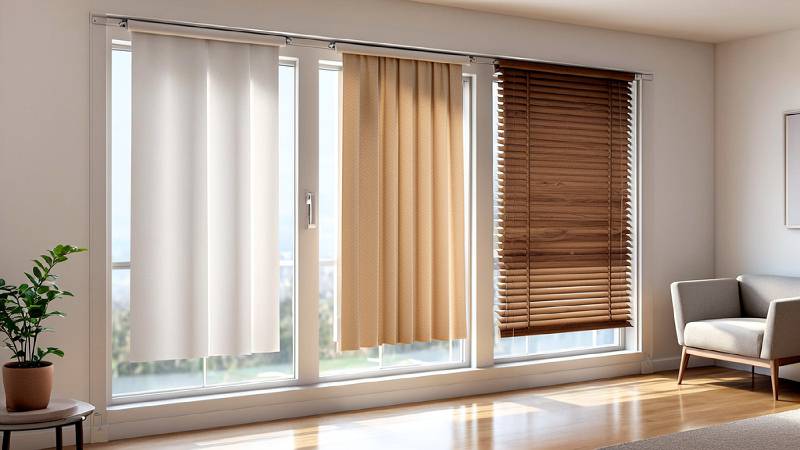
Living in the desert means navigating a unique relationship with the sun. While our bright, clear blue skies are a beautiful part of life in the Valley, the intense desert sun can quickly turn an unprotected room into an uncomfortable greenhouse. Managing indoor light, reducing blinding glare, and cutting down on escalating utility bills are top priorities for homeowners. Choosing the right interior and exterior coverings is one of the most effective ways to transform your living spaces into cool, energy efficient sanctuaries.
Because every household features a distinct layout, varying architectural styles, and unique exposure to the sun, finding the perfect match requires exploring multiple window shade options. From modern interior screens to heavy duty exterior systems, the marketplace is full of diverse designs engineered for performance and style.
At Phoenix Tent and Awning Company, we have been crafting custom premium shade solutions locally for generations. In this comprehensive guide, we will break down the most popular types of window shades, compare classic designs, and help you determine the absolute best window shades for homes in our demanding climate.
The Landscape of Arizona Window Treatments
The desert climate places extreme demands on our properties. Standard glass window panes readily absorb radiant solar energy, forcing your home cooling systems to run constantly during our long summer months. High performance Arizona window treatments are specifically designed to stop this thermal transfer while protecting your interior valuables from structural sun damage.
When evaluating your home, look closely at how each room interacts with the sun. West facing and east facing living areas bear the brunt of intense morning and afternoon light, meaning they require robust light blocking materials. North facing and south facing rooms might benefit more from highly adaptable, light filtering materials that maximize natural illumination without sacrificing your privacy.
Exploring the Primary Types of Window Shades
To narrow down your choices, it helps to understand the main structural families available in the modern home improvement landscape. Each style brings a distinct visual profile and functional dynamic to your windows.
1. Exterior Roll Shades: The Absolute Sun Blockade
If your main goal is lowering indoor temperatures, stopping the sun rays before they ever hit your window glass is the most effective method available. Exterior roll shades mount cleanly on the outside of your window frames, creating a heavy duty barrier against radiant heat.
Built using specialized, weather resistant fabrics, these shades block a massive percentage of solar radiation before it can heat up your home. Because they live outside, they keep your interior floor space completely open and uncluttered. They are perfect for large patios, sunrooms, and vulnerable west facing glass walls.
2. Interior Roller Shades: Clean and Minimalist
For a sleek, modern aesthetic inside the home, interior roller shades are an incredibly popular choice. These systems feature a single piece of premium fabric that rolls up smoothly into a discrete cassette or open bracket mounted at the top of your window casing.
Available in a massive variety of colors, textures, and opacity levels, interior roller shades offer seamless visual integration. You can choose a highly open weave fabric to preserve your view of the desert landscape, or select a solid blackout fabric to ensure total light control in bedrooms and home theaters.
3. Roman Shades: Timeless Elegance
If you want to bring soft texture and classic warmth to a space, Roman shades are an elegant solution. Fabricated from premium drapery materials, these shades fold up into beautiful, cascading fabric horizontal pleats when raised, and lie flat when completely lowered. They offer excellent insulation against outside noise and ambient temperatures, making them highly suitable for formal dining rooms, traditional living spaces, and master bedrooms.
4. Cellular and Honeycomb Shades: Built-In Insulation
Cellular shades feature a unique, geometric honeycomb structure that traps air within distinct pockets. This creates an efficient thermal barrier directly against your window glass. During the peak of summer, they keep hot air from migrating into your living spaces, and during chilly winter desert nights, they keep your furnace heat trapped safely inside. Their lightweight profile and exceptional efficiency make them a staple for budget conscious households.
Roller Shades vs Blinds: Decoding the Classic Debate
When homeowners begin upgrading their spaces, they frequently find themselves comparing roller shades vs blinds to see which format fits their daily routine. While both options cover your windows effectively, they function in completely different ways.
The Mechanics of Blinds
Traditional window blinds feature independent horizontal or vertical slats made of wood, faux wood, aluminum, or vinyl. These slats are linked together by a corded ladder system. The primary benefit of blinds is precise light directional control. By tilting the slats slightly, you can redirect incoming sunlight up toward the ceiling or down toward the floor, allowing you to manage glare while keeping a room bright.
However, blinds contain numerous moving parts and distinct gaps between the individual slats. This design allows small slivers of harsh sunlight and ambient heat to seep into the room continuously. Additionally, horizontal slats act as natural shelves for desert dust, requiring frequent dusting and meticulous cleaning to keep them looking fresh.
The Advantages of Roller Shades
Roller shades utilize a continuous, solid sheet of engineered fabric instead of individual slats. When lowered, they create a uniform, gap-free shield over your entire window pane. This makes them significantly more effective at blocking out heat and preventing dangerous ultraviolet rays from fading your expensive hardwood floors, artwork, and upholstery.
Because they feature a completely smooth surface, they do not collect airborne dust or pet dander like blinds do. Maintaining them is as simple as running a light vacuum attachment or a damp microfiber cloth over the fabric surface occasionally. When raised, they retract fully into a compact profile, giving you a completely unobstructed view of the outdoors.
Determining the Best Window Shades for Homes
The ultimate selection comes down to matching specific fabric properties and structural styles with your daily lifestyle needs. Consider these core priorities when making your decision:
For Maximum Energy Savings: Choose heavy duty exterior roll shades or highly insulated interior cellular shades. These options offer the highest thermal resistance, taking a massive load off your air conditioning system.
For Media Rooms and Bedrooms: Opt for interior roller shades equipped with specialized blackout fabrics and side tracks. This setup eliminates light gaps entirely, allowing for deep sleep and glare free television viewing at any hour of the day.
For Living Areas with Scenic Views: Select high performance interior or exterior solar roller shades with a moderate openness factor. This allows you to filter out blinding glare and harmful UV rays while preserving your clear view of the surrounding mountains and desert flora.
Frequently Asked Questions (FAQ)
What is the main difference between window shades and window blinds?
Window shades are made from a continuous piece of solid or woven fabric that rolls or folds smoothly up and down. Window blinds are constructed using individual horizontal or vertical slats made of hard materials like wood or vinyl that tilt to let light pass through.
How do I know which openness factor to choose for solar shades?
The openness factor refers to how tightly the fabric is woven. A lower percentage like 1% to 3% offers a tighter weave, providing maximum heat reduction, superior UV blocking, and enhanced daytime privacy. A higher percentage like 5% to 10% features a looser weave, which lets more natural light into the room and preserves a clearer view of the outdoors.
Can exterior window shades handle high desert winds and monsoons?
Yes, high quality exterior shades are fabricated with robust aluminum guide tracks or heavy duty cable systems to keep the fabric stable. However, if a severe wind warning or a major monsoon storm is moving through the area, it is always best to retract the shades into their protective cassettes to prevent structural damage.
Are motorized window shades worth the extra investment?
Motorization adds an exceptional layer of convenience, safety, and efficiency to your home. With a simple remote, a mobile app, or a voice command, you can operate heavy or hard to reach shades instantly. You can also program your shades to lower automatically during the hottest hours of the day, protecting your home even when you are away at work.
Which window shade option is the easiest to clean and maintain?
Interior roller shades are widely considered the easiest option to maintain. Because they feature a flat, vertical sheet of fabric with no horizontal surfaces, they do not accumulate heavy layers of dust. A light dusting or an occasional wipe down with a damp cloth is all it takes to keep them looking brand new.
Are you ready to find the ideal shade solution to keep your home cool and stylish all year long? Contact the local design experts at Phoenix Tent and Awning Company today to schedule your complimentary on-site window consultation!